DIRT CURLS

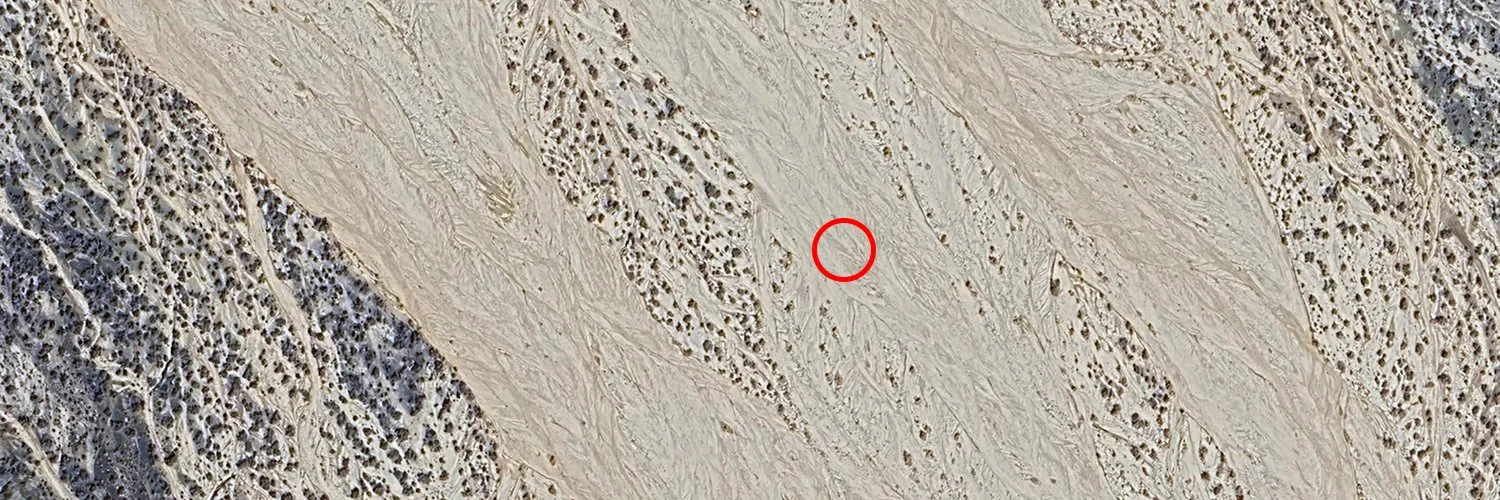
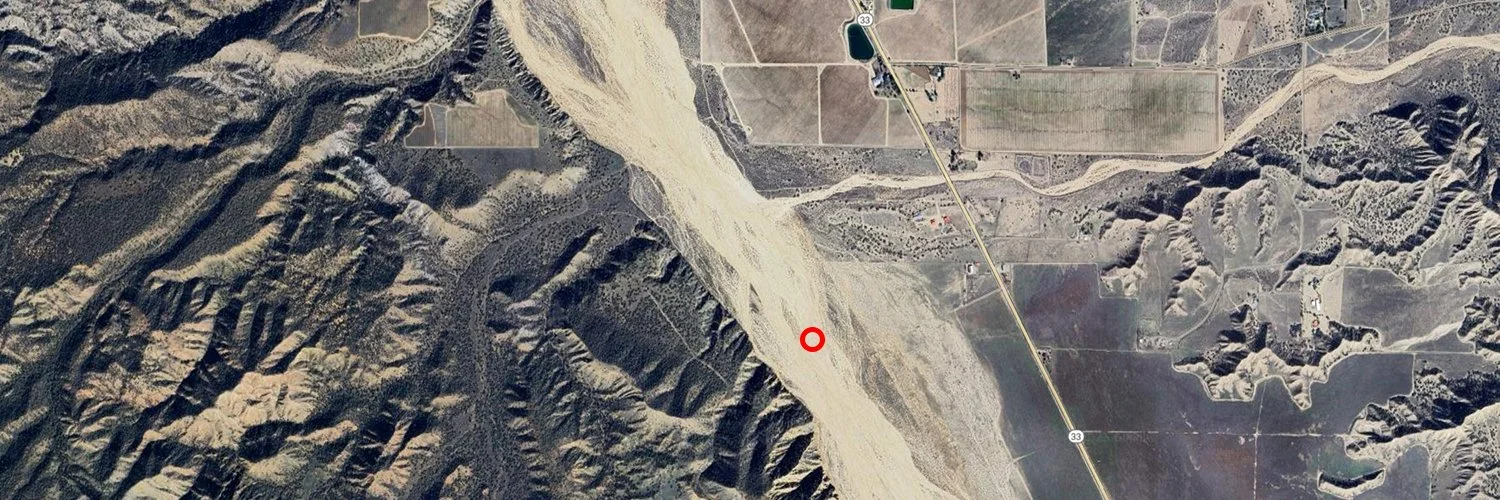
Benn Colker returned from a recent visit to Cayuma Valley with a collection of dirt. It was not the geological composition that he found interesting, but rather the way a typically cohesive surface had become a group of distinct (and unusual) objects. Benn prompted the Bureau’s departments to capture the essence of one particular “dirt curl” with an interpretation or object pairing from the collection.

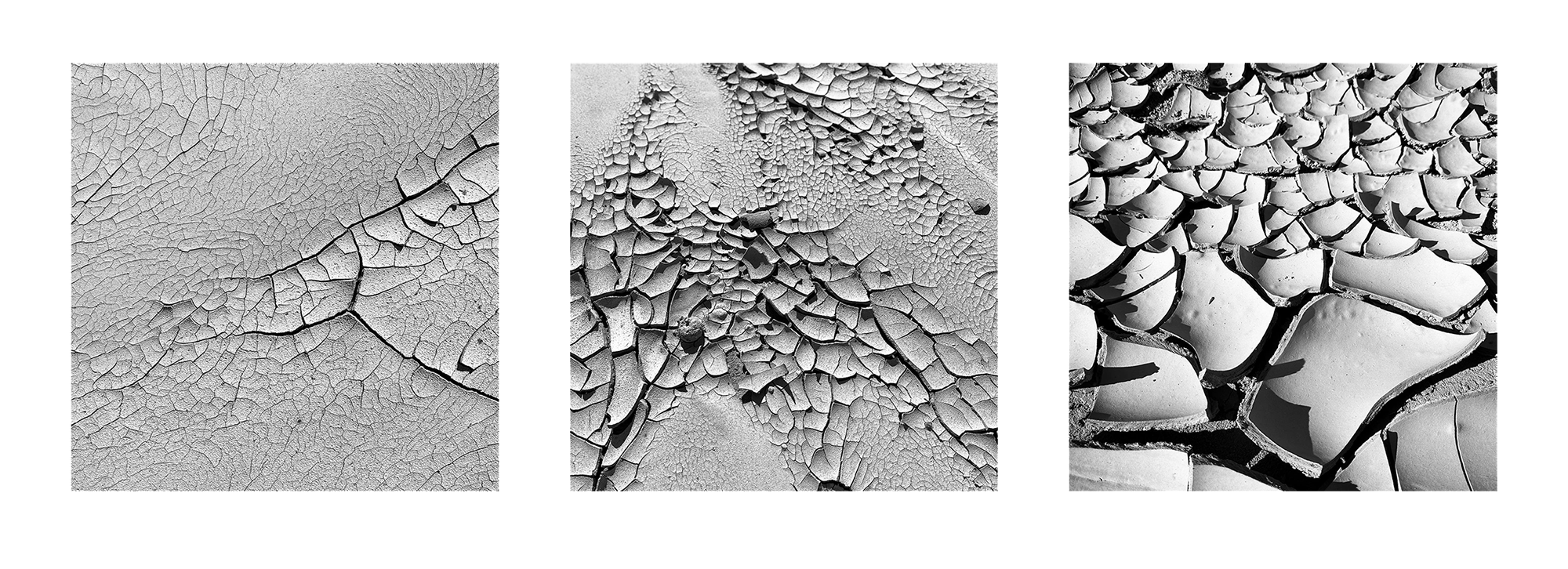
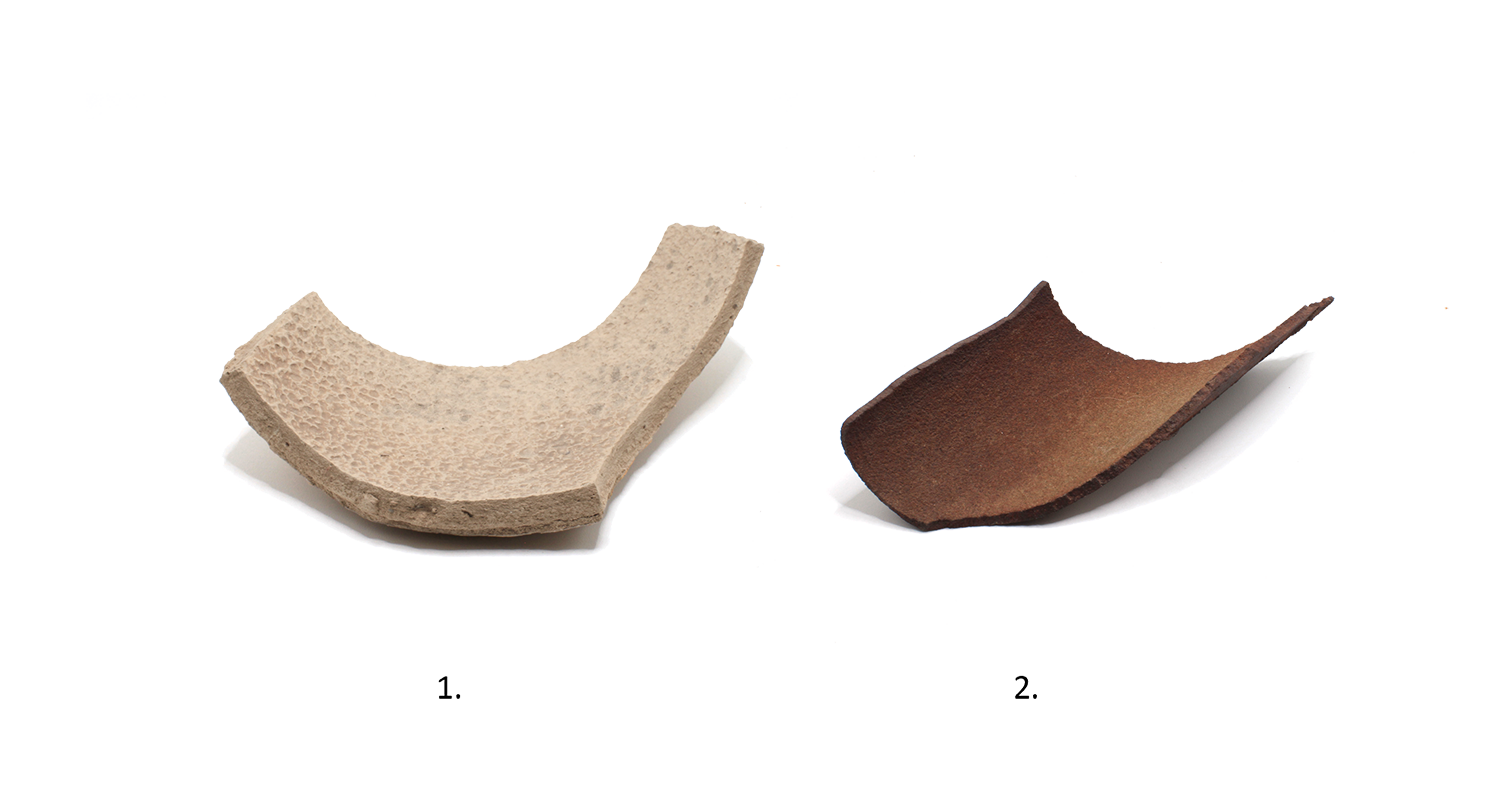
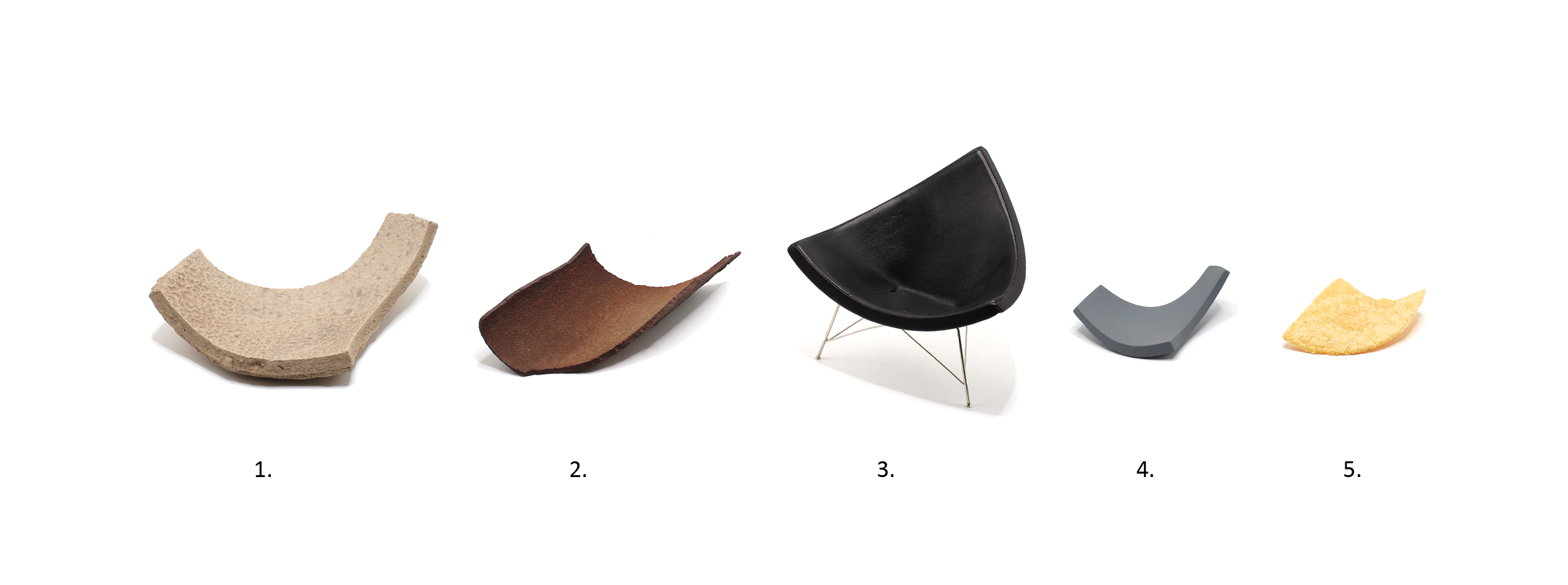
Martin Vesper from the Department of Matter proposed specimen 2 (below). The resemblance was clear, and as a broken remnant of a cast iron pipe, its history facilitating the movement of water offered a connection back to the submerged origins of the dirt curl.
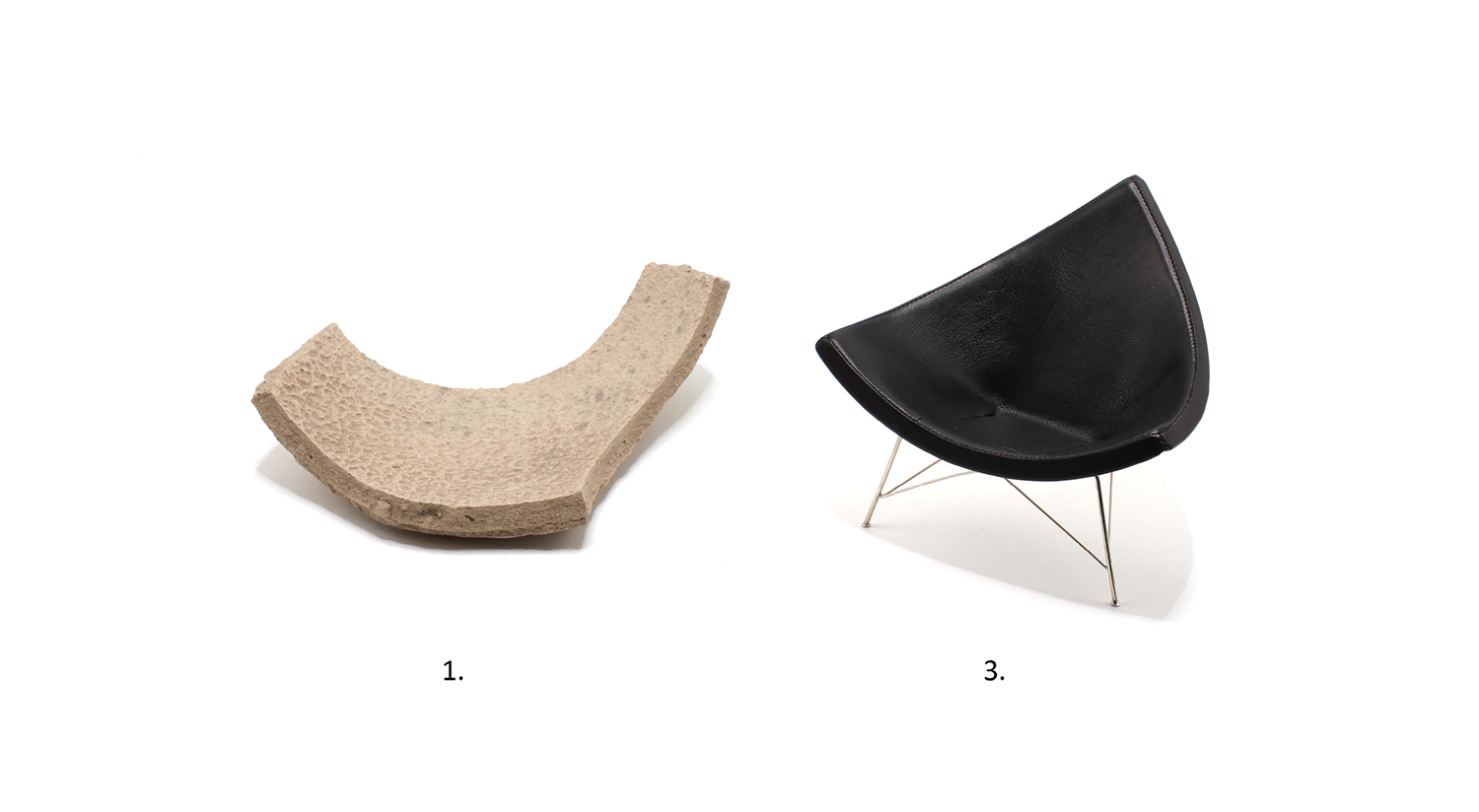
However, Jackson Witcombe from the Department of Form was deeply unsatisfied with this pairing. Describing the dirt curl’s geometry as a portion of a cylinder was, in his mind, a gross oversimplification. The curling geometry was created from a much different network of curves and its surface was extruded to a greater thickness. Jackson responded by paring the dirt curl with a 1 to 6 scale replica of George Nelson’s Coconut Chair (specimen 3, below).
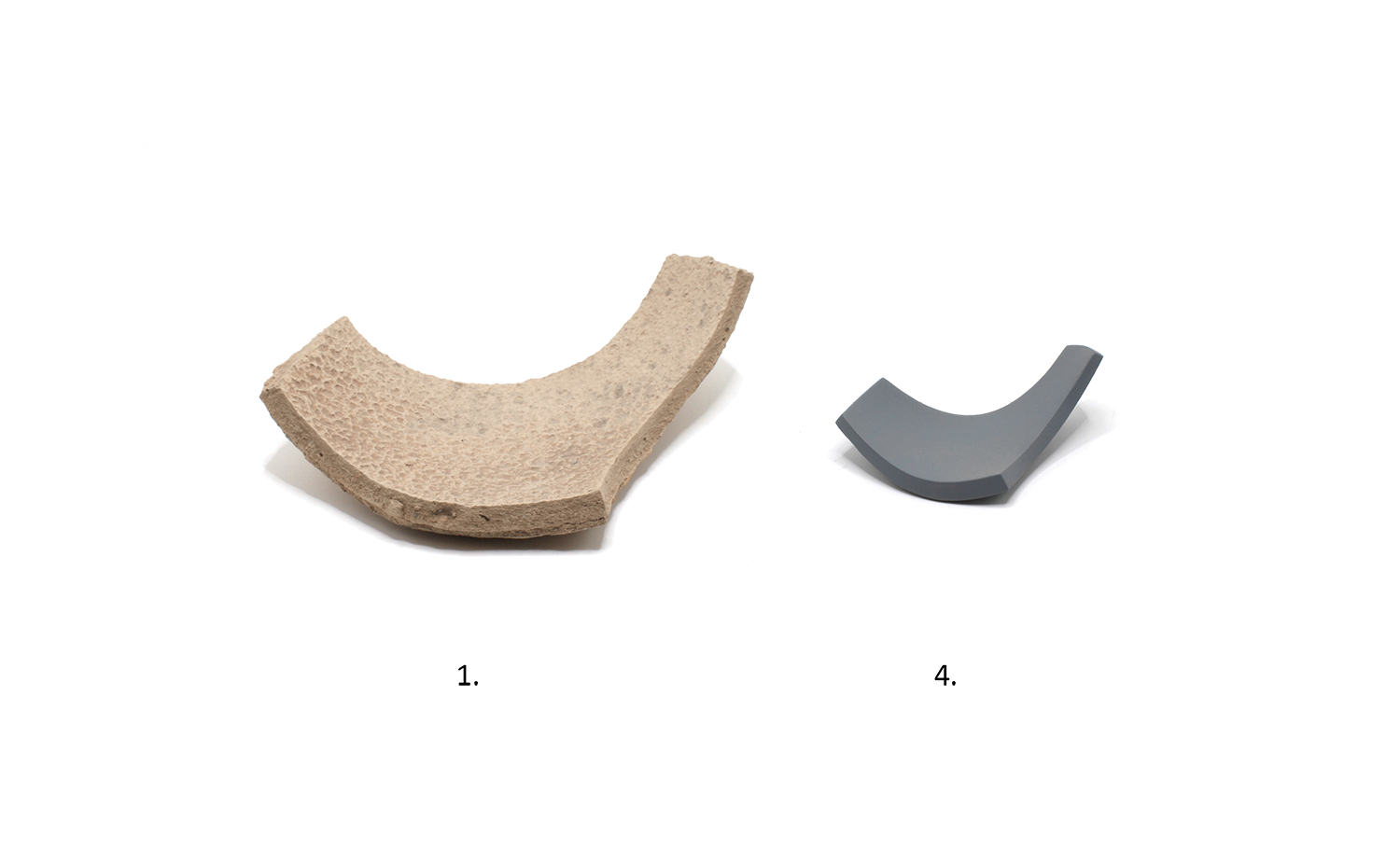
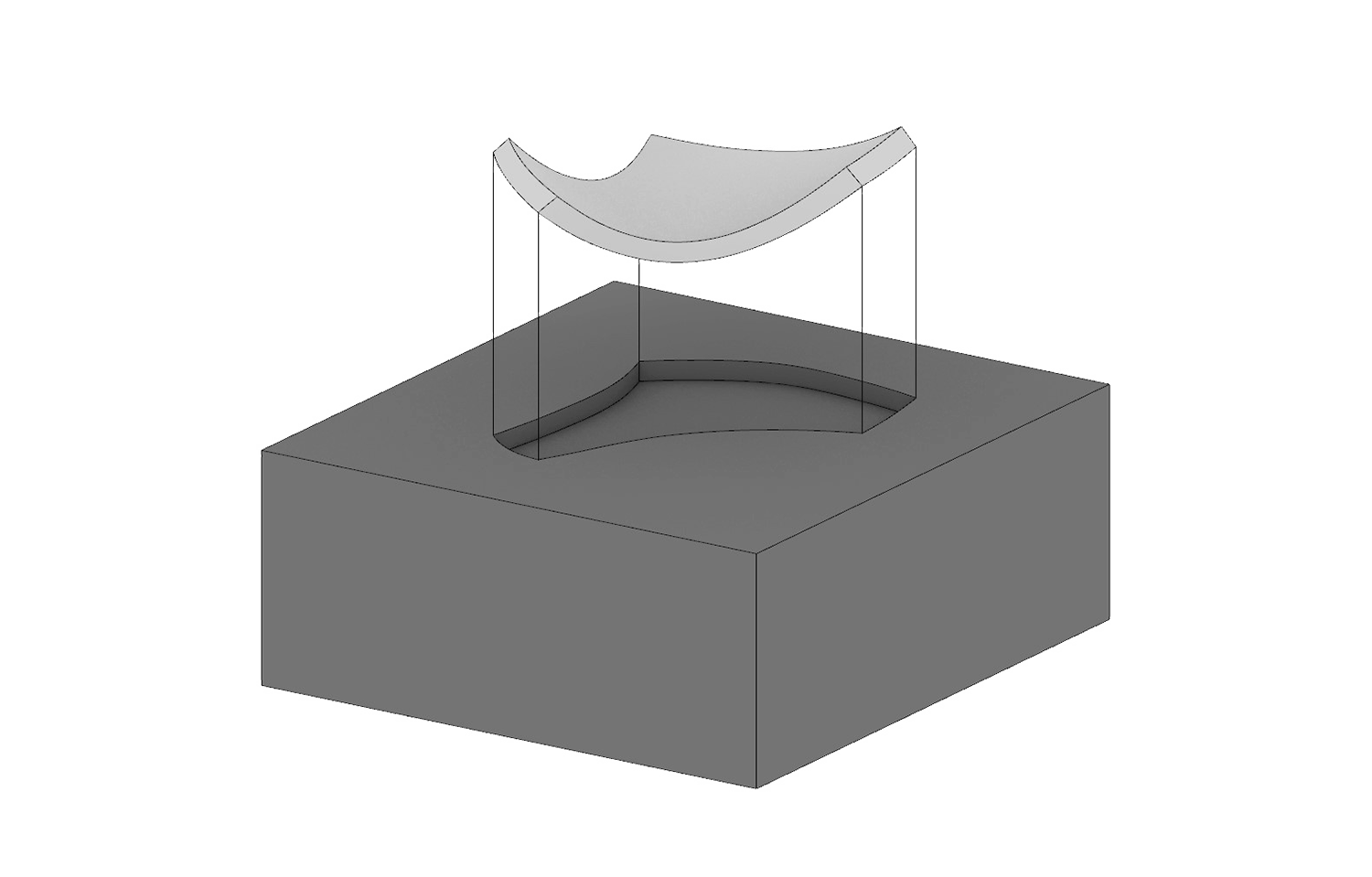
However, Eva Aivars from the Department of Form saw this paring as yet another troubling oversimplification. She pointed out that as the curl was curling, portions pulled away from the earth below at different rates, creating an asymmetrical curvature. To illustrate these nuances, Eva took precise measurements from the dirt curl and modeled its geometry in virtual space, then 3d printed the form to return it to the physical world (specimen 4, below).
However, Vince Maitland from the Department of Matter dismissed these geometric studies. Capturing the essence of the dirt curl was not about describing smooth curves, regardless of how accurately they had been documented. Irregularity and unpredictability were integral to the dirt curl. For Vince, as usual, the key was understanding the forces behind an object’s creation. This dirt curl was a snapshot of process frozen in time and the forces were changing moisture content, air flow and heat. As it turns out, all of these forces manifest perfectly in a tortilla chip (specimen 5, below).
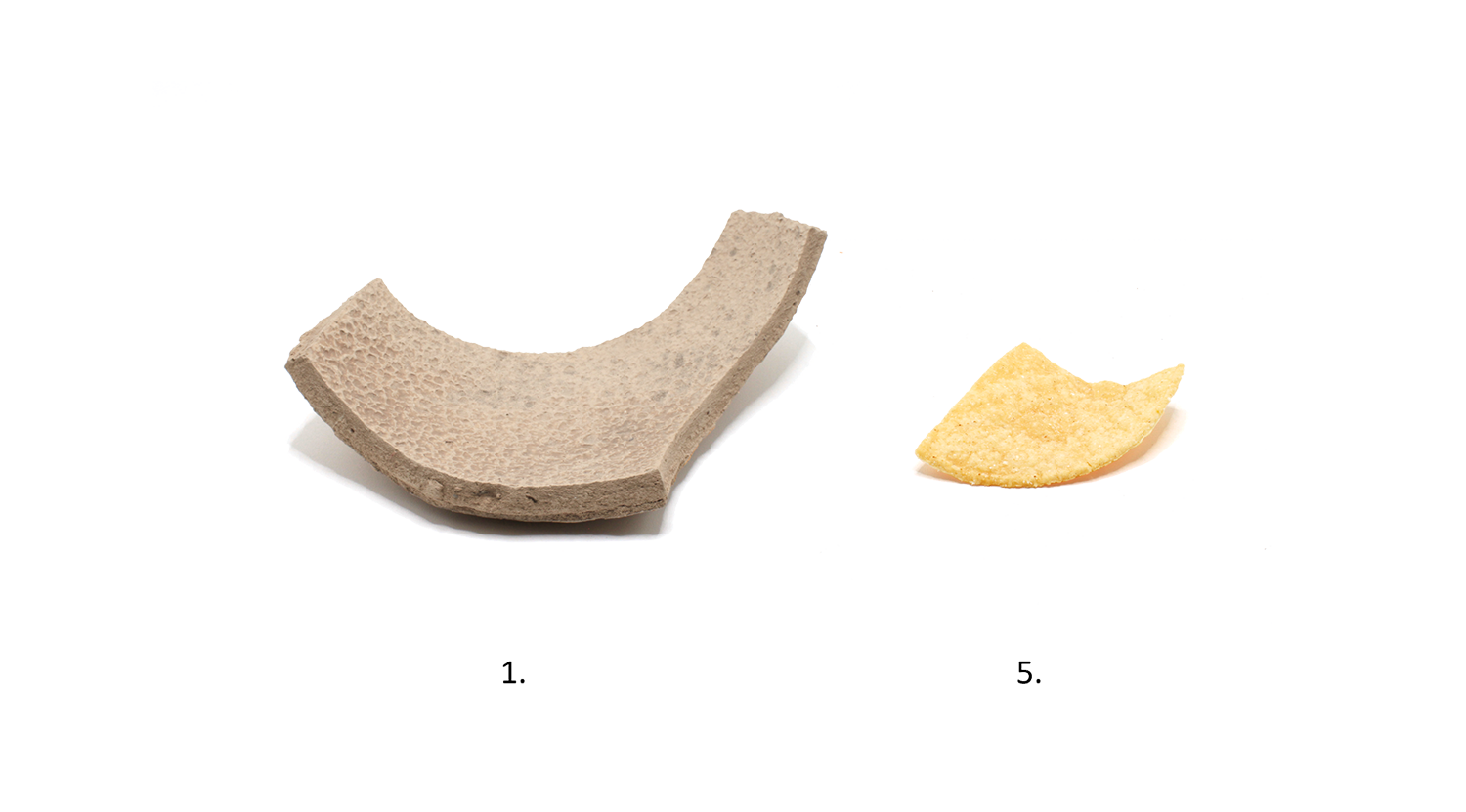
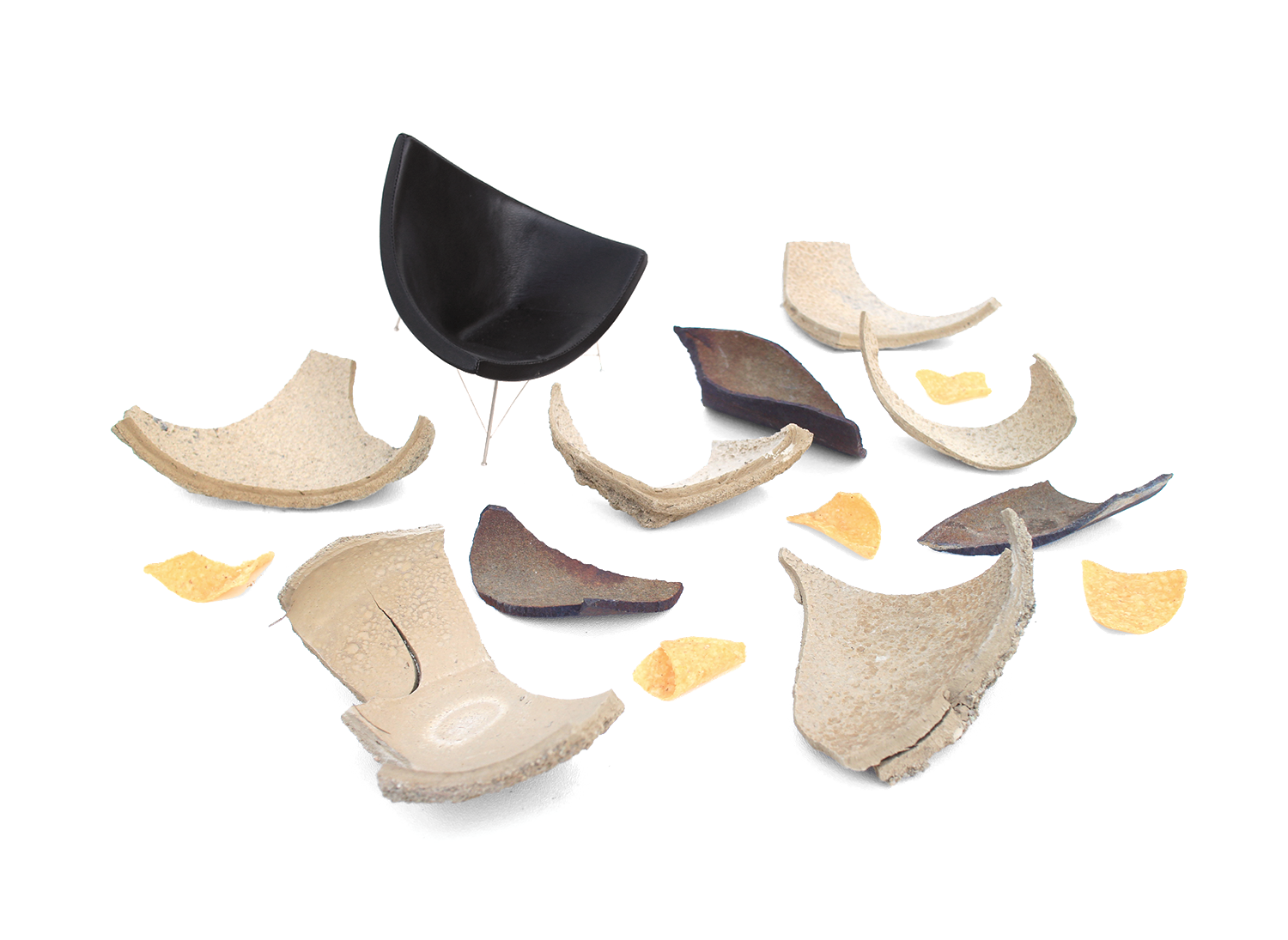
The debate continued long into the evening with no agreement between departments - except that the tortilla chips were delicious.
CYANOTYPES & UNROLLED OBJECTS

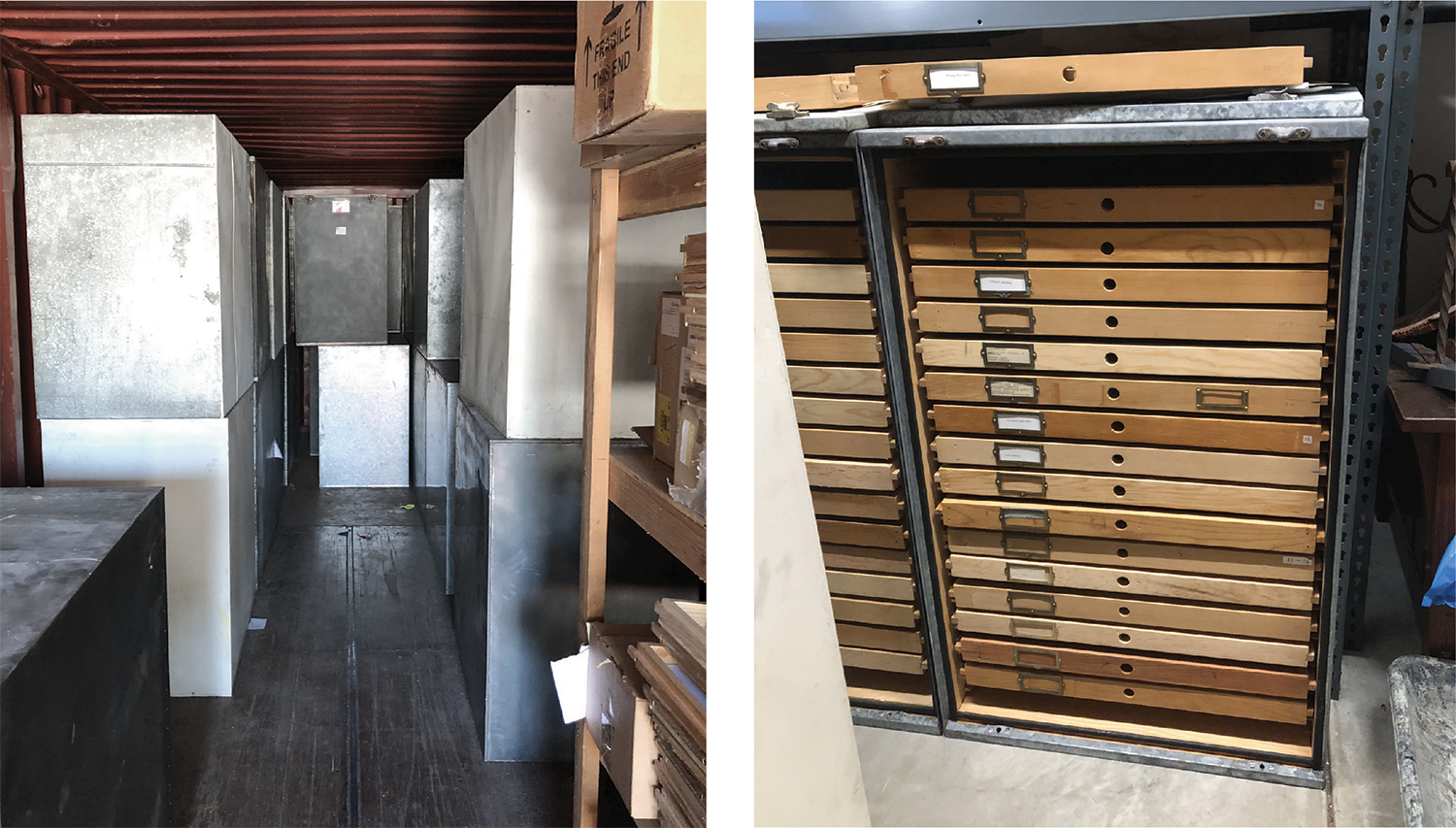
As part of a complex exchange of specimens, equipment and expertise, the Bureau recently acquired a new display case from the Moore Laboratory of Zoology. The case, which once housed ornithological specimens, will now house notable selections from the Bureau’s esteemed collection of small detritus.

Benn Colker tasked the team with an overarching project based both on study and transformation. Each drawer will present an exhibit with a unique approach. For the objects displayed in each drawer, the Bureau’s different departments will be extracting and documenting intrinsic and essential characteristics, then re-interpreting this documentation to generate new objects.

The work below showcases initial studies from the Department of Matter and the Department of Form.

CYANOTYPE HEIGHTFEILD

Eva Aivars, from the Department of Form, began by documenting how an object’s shape obstructs the projection of sunlight. This was achieved by using a cyanotype (fig 2). The test object (fig 1) was placed on a cloth coated with a solution of iron salts and exposed to UV light. Areas where the object touched the cloth remained white, while surrounding areas turned blue, in correlation to the object’s proximity to the surface. In this way, Eva documented both the object’s contours and it’s location in space.

To transform this documentation, Eva extruded the cyanotype in virtual space using a heightfield and then 3D printed the result (fig 3). The gradient of values seen in the cyanotype still correlates to distance from the base surface, however in the new object, whites become the highest points and deep blues become the lowest.

UNROLLED OBJECTS

Serefina Taneli, from the Department of Matter, felt it was critical to document the intricate flow of an object’s material character through an uninterrupted, unrolled image. To achieve this, Serefina rolled the test object (fig 4) across a moving scanner (fig 5). To transform this analysis into a new object, Serefina re-rolled the image back into a continuous loop (fig 6)

Unsurprisingly, Jackson Witcombe, from the Department of Form, felt the ideal document must exclude material character and focus solely on the continuous unrolling of an object’s geometry. Jackson rolled the test object (fig 7) across a prepared clay surface, then cast the positive in plaster (fig 8). In a rare example of agreeing departments, Jackson used the same strategy as Serefina to create a new object, taking an imprint from the plaster positive then re-rolling it back into a continuous loop (fig 9).

Translating an Object Cinquain

Marcel Yorick presented the Bureau with an untitled Object Cinquain – an object-based poetic form that consists of five rhyming lines – and asked members of the Bureau’s different departments to translate it or reply with a new poem using the same structure.

As expected, there was much debate about both the subject matter and rhyming structure of Marcel’s poem. No one denied that the objects rhymed, but the departments disagreed about which objects rhymed and why they rhymed. Marcel would say that objects rhyme because of what they are, but as the Bureau knows well, what objects “are” depends on who’s looking.

Work FROM The Department of Form

For Theresa Landrine of the Department of Form, the rhyming structure of an object cinquain is based on the ways each object is geometrically constructed in space. She read Marcel’s poem with the following structure:

1.       Organic Solid

2.      Extrusion

3.      Extrusion along a curve

4.      Organic Plane

5.      Extrusion

Also written as: A-B-B*-A*-B

Theresa clarified this rhyming structure further by translating the poem into the visual language of pure forms in virtual space. With regards to the subject matter, Theresa read Marcel’s poem as a lyrical musing on fertility, stringing together stylized representations of a mother goddess. In response, Theresa transposed Marcel’s poem onto another icon of fertility - the Venus of Willendorf - maintaining the same general expression and rhyming structure, but embellishing the phrasing.

Work FROM THE DEPARTMENT OF MATTER

For Martin Vesper from the Department of Matter, an object cinquain’s rhyming structure is based on the objects having uniform size and related materials. Martin described the following structure for Marcel’s poem:

1.       Wood

2.      Metal

3.      Metal

4.      Synthetic

5.      Wood

Also written as: A-B-B-C-A

In Martin’s eyes, a well written object cinquain speaks directly about how a geometric concept manifests through different materials and circumstances. Martin wrote two new poems using Marcel’s rhyming structure – one about spiraling and another about twisting.

However, Vince Maitland (also from the Department of Matter) felt that Martin’s assessment of Marcel’s rhyming structure was a bit weak and over-generalized. To Vince, an object cinquain’s rhyming structure is based on the material but also and processes used in each object’s production. He found the following structure in Marcel’s poem:

1.       Carved & Painted Wood

2.      Cast Iron

3.      Formed Steel

4.      Leatherworking Synthetic Material

5.      Carved & Painted Wood

Also written as: A-B-B*-C-A

Vince also believed that Martin was too restrictive on the subject matter. In Vince’s mind, object cinquains can (and should) speak about more ambiguous and complex themes. Vince wrote the following object quintain using Marcel’s rhyming structure. When asked about its meaning, Vince declined to comment.

Telephone Pole Talismans & Tokens

While historians, technicians and anthropologists typically read the markings on telephone poles for information on the class, max load, height, species, preservative used, X&Y coordinates, installation date, and date of last inspection, the discovery of small items attached to certain posts has led the Bureau of Objects to see them differently.


analysis from The Department of Re-Archaeology

Initial research by Steve Milton of the Department of Re-Archaeology suggests the objects attached to these poles may be talismans placed by an undetermined society to protect the poles, ensure fertility and strengthen their function as conduits for other spiritual forces. However, conflicting research from Matilda Rupertson, suggests the objects are tokens signifying noteworthy poles, placed by a community of telephone pole admirers - perhaps an unsanctioned offshoot of the well-known Telegraph Pole Appreciation Society.

Reading from the Department of Myths & Ballads

The Department of Myths & Ballads sees the telephone poles as chance-derived visual poems. While the department’s members generally agree that these poems should be read from bottom to top, they disagree on their interpretations of both the grammar and subject matter of these poems. Marcel Yorik believes that the objects, letters and numbers are relics of past conversations that once passed over these telephone lines. The pole is the blank page and the objects and labels are the words (figure 1). For Maxine Saunders, the material circumstance of the pole is the primary medium and critical for the poem’s interpretation. Her reading focuses on the overall shape, size and proximity of the applied elements as moments in the life of the tree that now exists as a telephone pole (figure 3). Ever the contrarian, Joan Thievesdale sees the poles as simply fractured rifts in the continuous string of objects that make up the surrounding landscape (figure 2).


Saga of the Flattened Can


We cannot be sure where this can came from or what flattened it, but it is certainly flat now and worth investigating

The Department of Matter documented the can’s material complexities


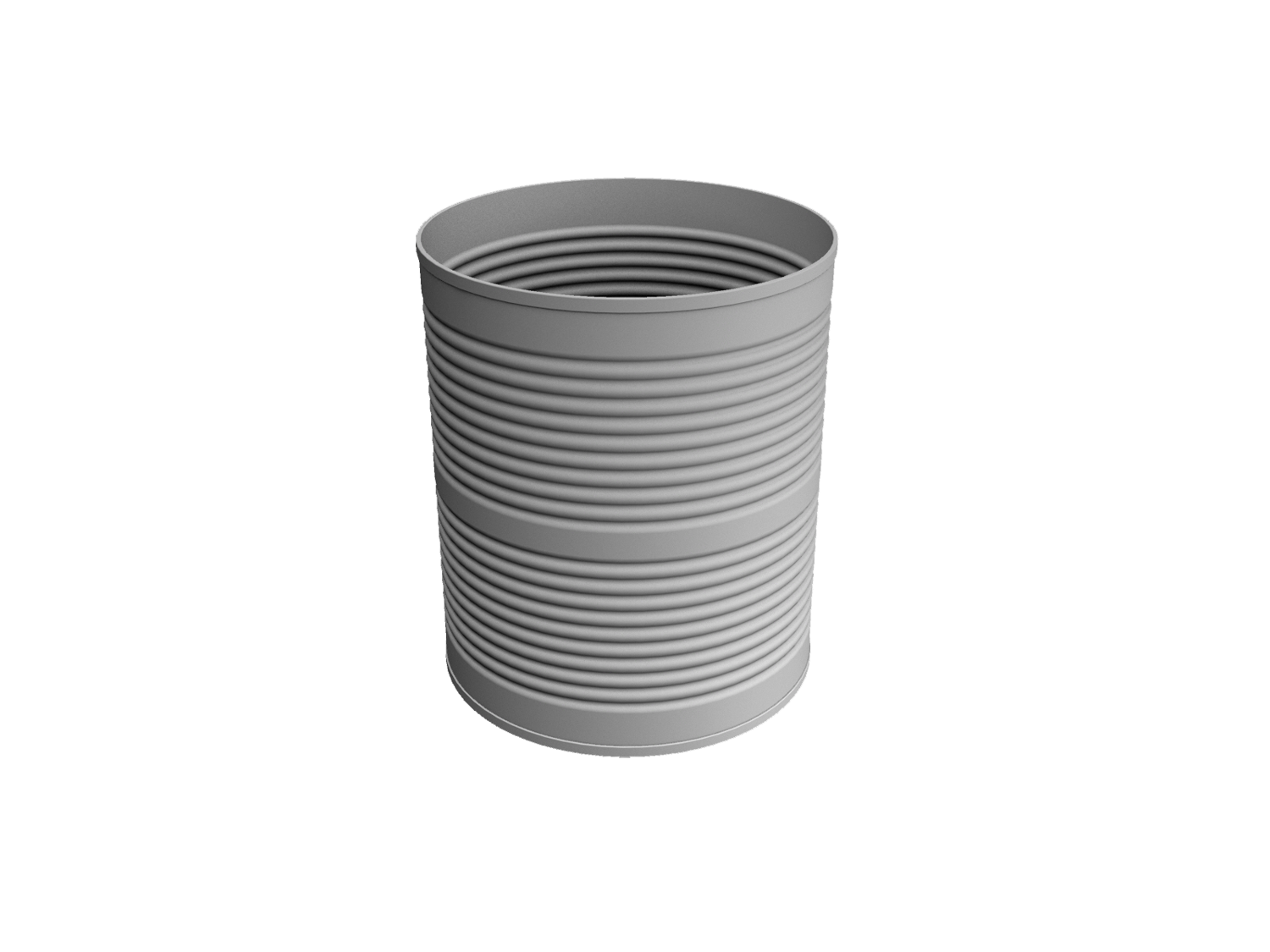
The Department of Form reconstructed a purified un-flattened version of the can - then re-flattened & sliced it in varying ways it in virtual space


The Department of Re-Archaeology re-placed the can back in its natural habitat to conjure the future flattening of other objects